



Technical contribution is the path for developers, integrators, advanced users, and solution builders who expand the IAMMETER ecosystem with code, integrations, tools, documentation, or reusable deployment experience.
The recommended operational entry is now IAMMETER Contributor Center:
This page explains what technical contribution means and where to start. The actual submission and reward tracking are now handled in Contributor Center.
Technical contribution is not limited to writing a large application.
Typical examples include:
If your work makes IAMMETER easier to use, easier to integrate, or more valuable in real systems, it is a technical contribution.
IAMMETER provides multiple technical entry points for developers.
Use local device data for:
Reference: https://www.iammeter.com/newsshow/blog-fw-features
Use IAMMETER-Cloud data for:
Reference: https://www.iammeter.com/docs/cloud-api
Use Virtual Meter to integrate third-party data into IAMMETER-Cloud and build hybrid solutions.
Reference: https://www.iammeter.com/products/virtual-meter
IAMMETER especially welcomes contributions in areas such as:
Overview reference: https://www.iammeter.com/blog/self-hosted-integration
These practical integrations often create the most value for the community because they show how IAMMETER works in real environments.
If you build something reusable, IAMMETER Contributor Center provides a clearer public home for discovery.
This is a good path for:
Older pages often described technical contribution mainly as a concept. The practical workflow is now much clearer:
Start here:
If you are new, read:
High-value technical work may receive:
Learn more:
IAMMETER is designed as an open platform:
Technical contribution is how this openness becomes useful in real projects.
If you build something practical with IAMMETER, it is worth sharing.
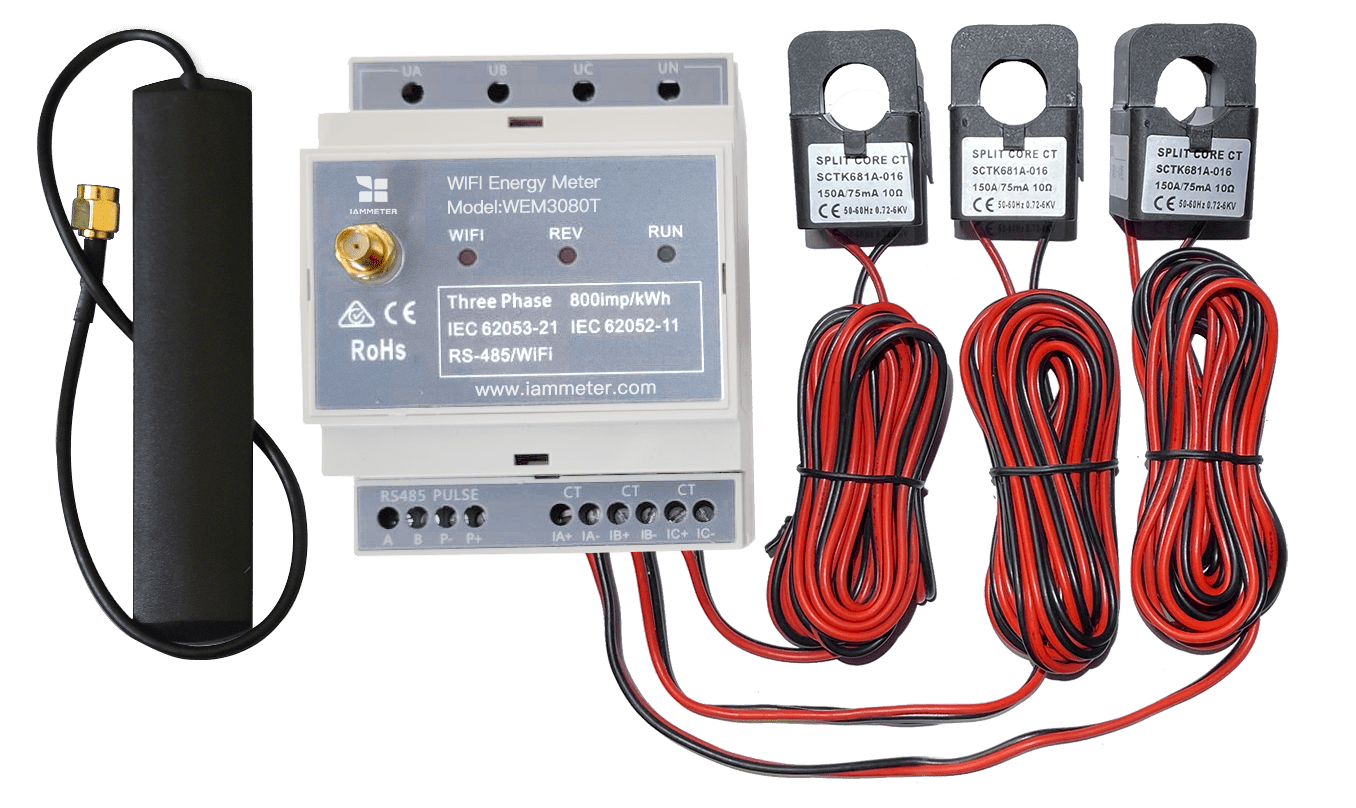
Three Phase Wi-Fi Energy Meter (WEM3080T)
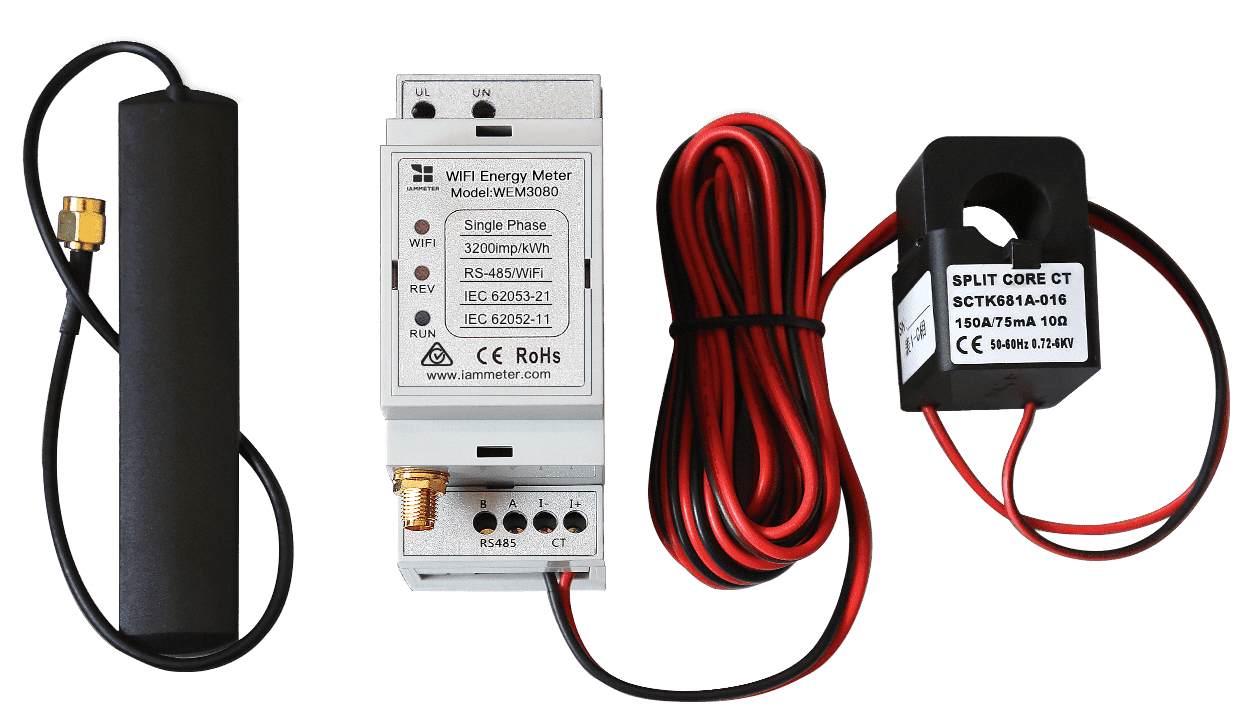
Single Phase Wi-Fi Energy Meter (WEM3080)
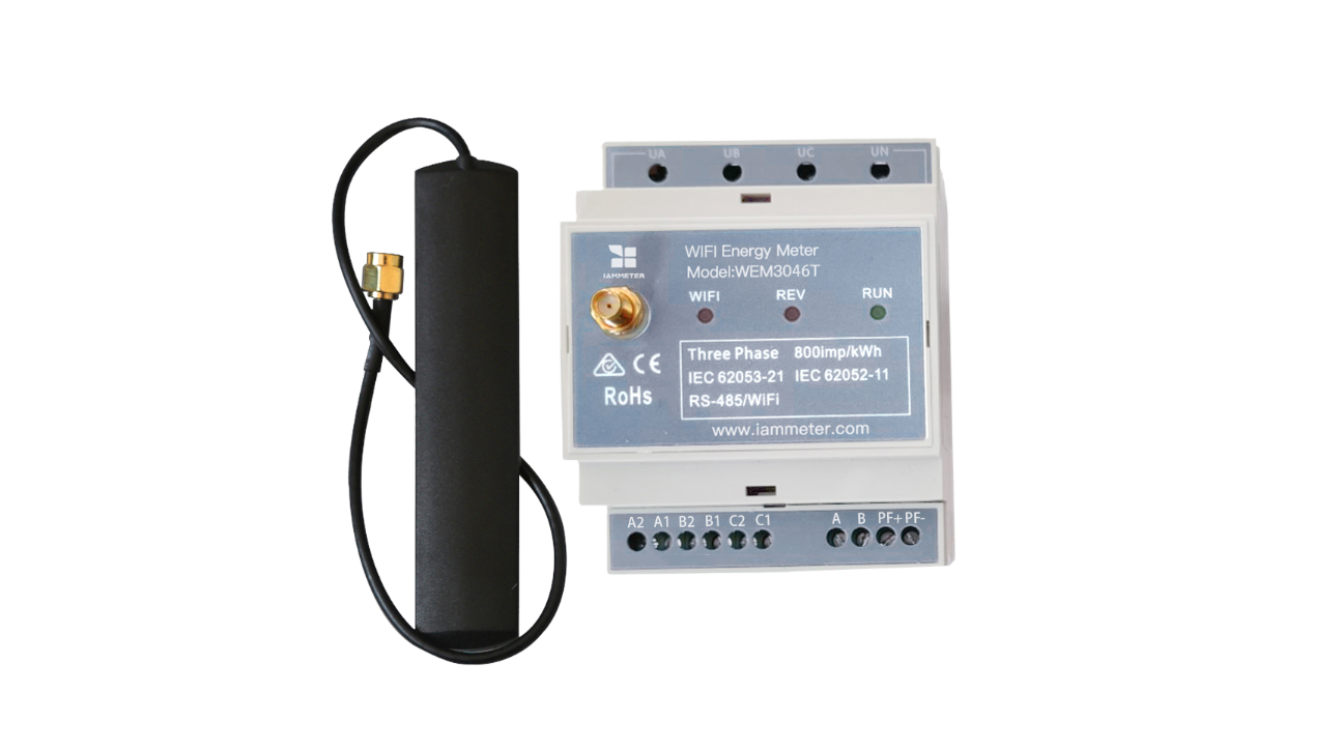
Three Phase Wi-Fi Energy Meter (WEM3046T)
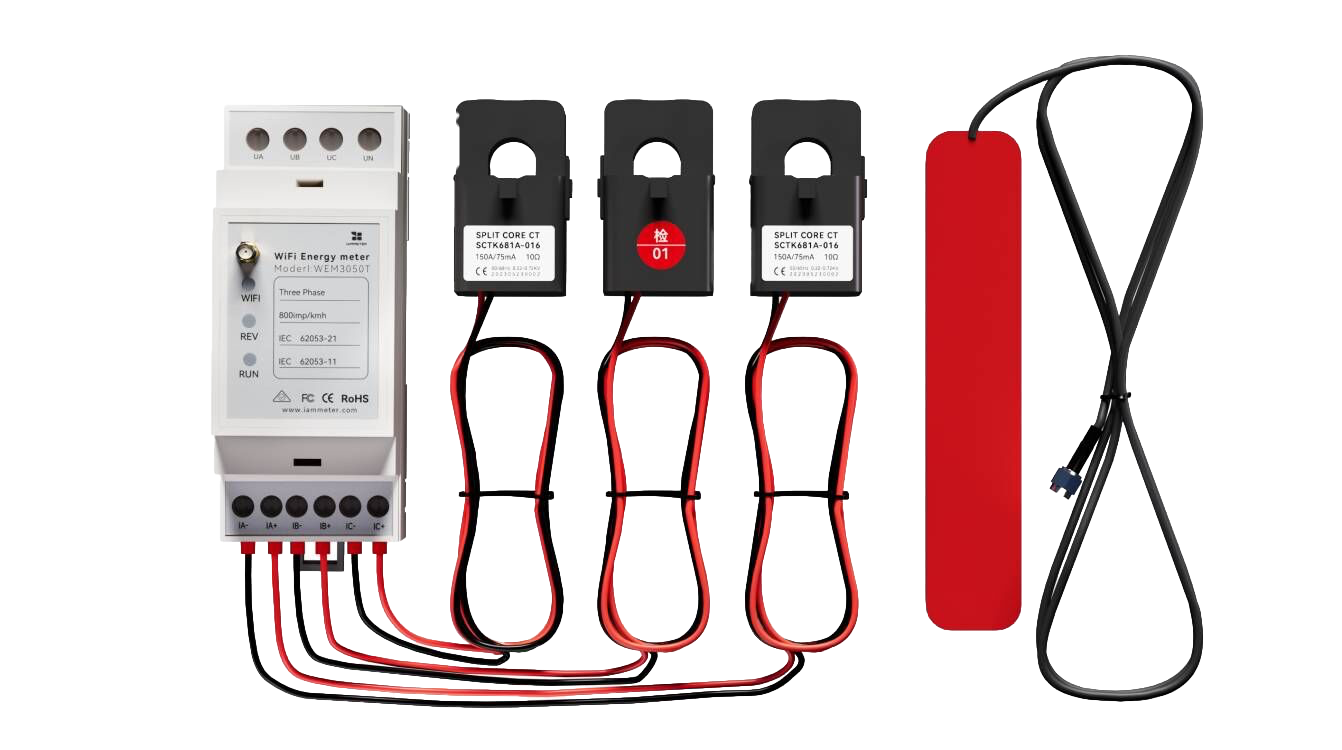
Three Phase Wi-Fi Energy Meter (WEM3050T)