



Reduce Solar Electricity Bills with IAMMETER
Introduction
Many homeowners install solar panels expecting to significantly reduce their electricity bills. However, after installing a solar PV system, some users discover that their savings are smaller than expected.
A common reason is low solar self-consumption. During sunny hours, solar panels may generate more power than the home is using. The excess electricity is exported to the grid, often at a much lower price than the cost of buying electricity later.
This creates a common problem for residential solar users:
- Solar energy is exported cheaply.
- Electricity is purchased from the grid at a higher price later.
To truly benefit from solar energy, homeowners need better visibility into their energy usage and tools to optimize how solar power is consumed. This is where IAMMETER can help.
Learn more about IAMMETER:
https://www.iammeter.com/blog/what-is-iammeter
The Challenge of Solar Energy Utilization
Most residential solar systems only provide basic generation information from the inverter. While this shows how much electricity the solar system produces, it does not explain:
- How much electricity the home is consuming
- How much solar energy is exported to the grid
- How much electricity is imported from the grid
- When solar surplus occurs
Without this information, homeowners cannot easily improve their energy management strategy.
Understanding these energy flows is essential for improving solar self-consumption and reducing electricity bills.
How IAMMETER Helps Monitor Home Energy
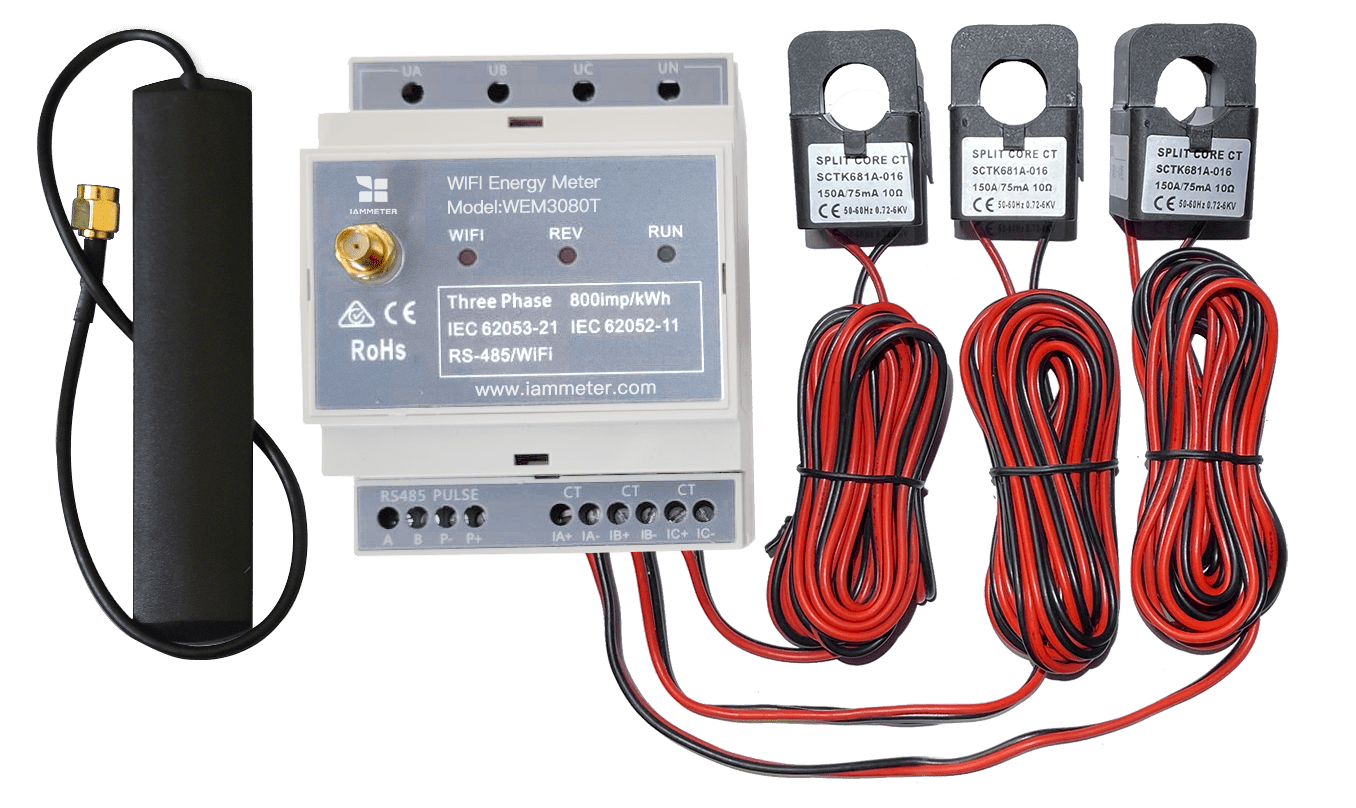
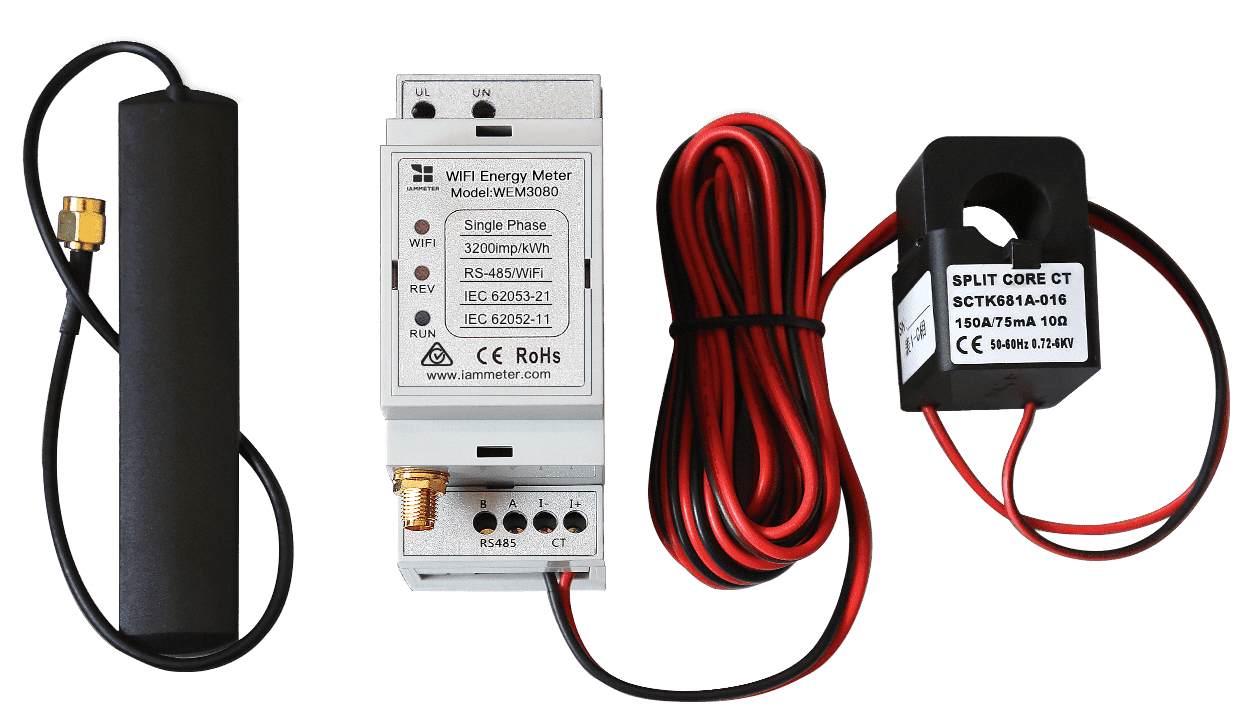
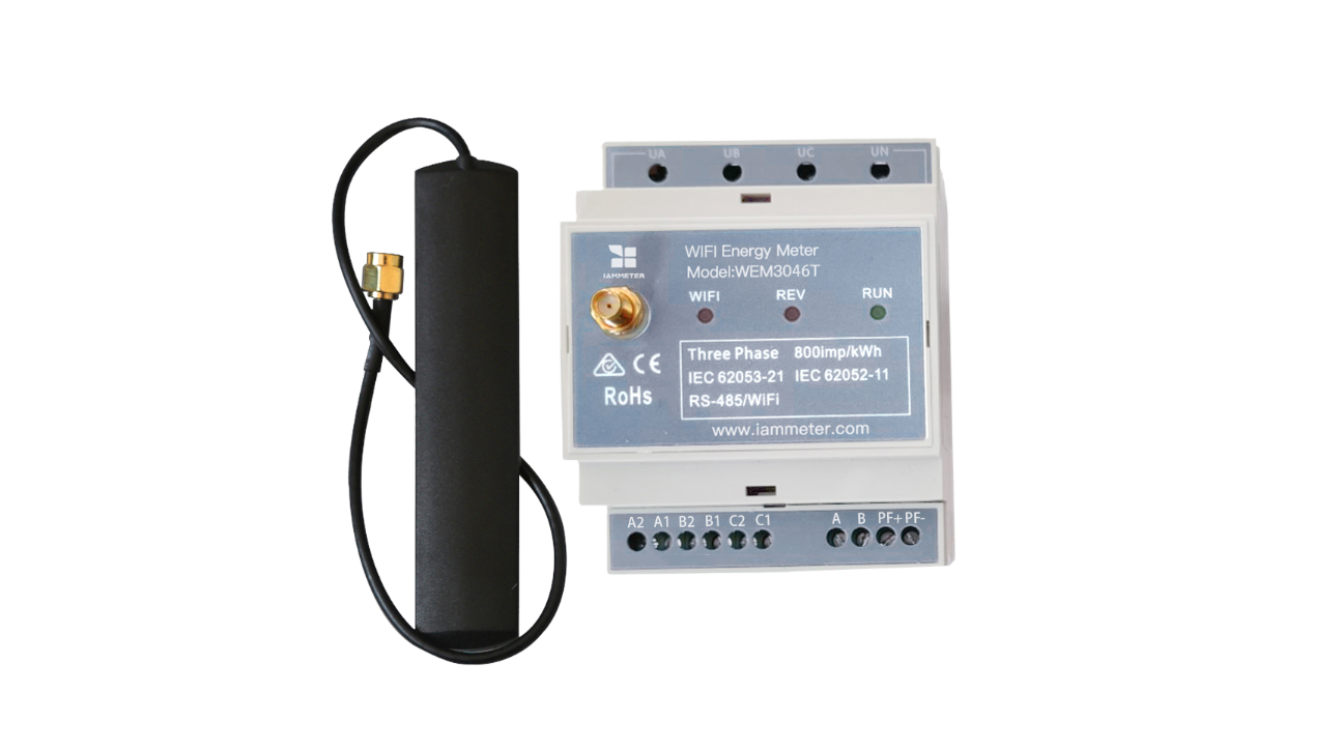
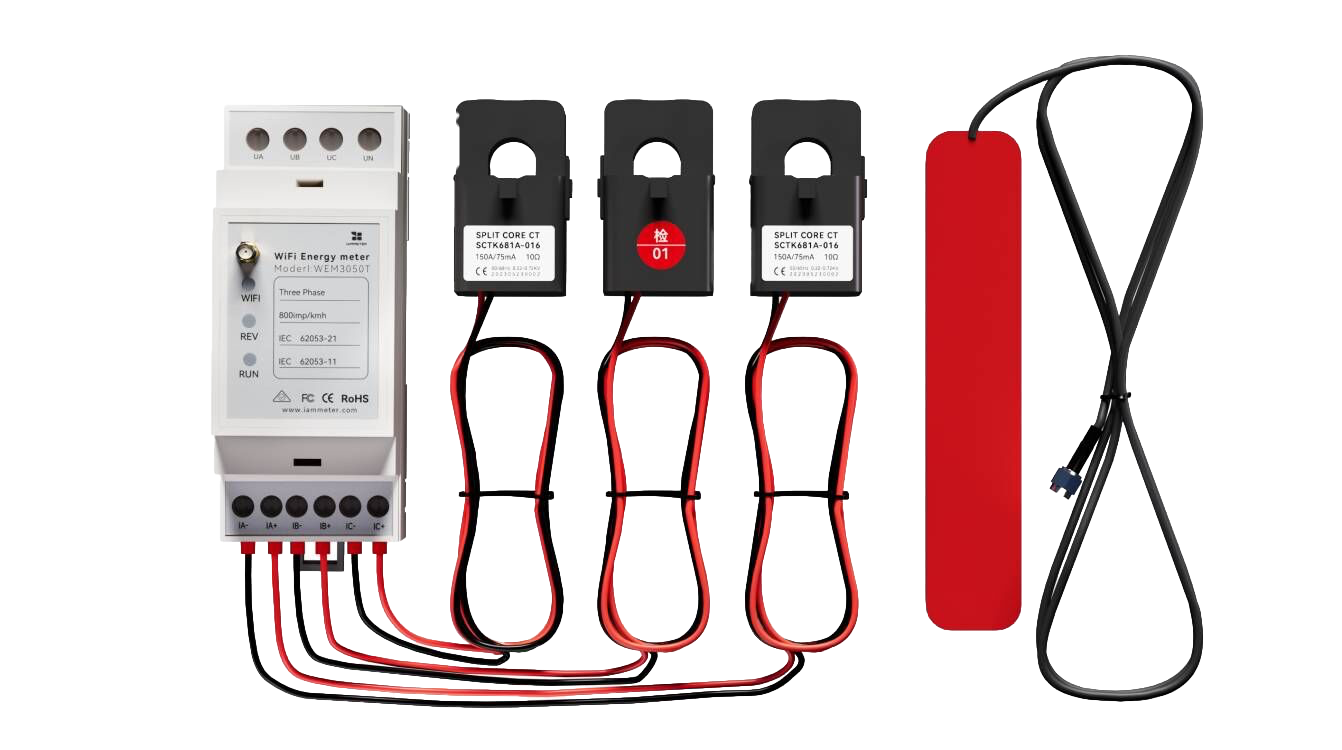
IAMMETER provides a Wi-Fi energy monitoring system designed for residential energy management and solar monitoring.
With IAMMETER energy meters, users can monitor:
- Solar generation power
- Household electricity consumption
- Grid import power
- Grid export power
- Solar self-consumption ratio
By visualizing these energy flows, homeowners can clearly understand how their solar system interacts with household energy usage.
Solar monitoring application example:
https://www.iammeter.com/applications/solar-pv-system-monitoring
This level of monitoring allows users to identify opportunities to better utilize solar power during the day.
Increasing Solar Self-Consumption
Once users understand their energy patterns, they can begin improving their solar self-consumption rate.
For example, IAMMETER monitoring data can help homeowners decide when to run energy-intensive appliances such as:
- washing machines
- dishwashers
- EV chargers
- water heaters
Running these devices during solar production hours increases the amount of solar energy used directly in the home and reduces electricity purchased from the grid.
This simple change in energy usage behavior can significantly reduce electricity bills over time.
Using Solar Surplus for Useful Loads
Beyond monitoring, IAMMETER also enables practical solar energy applications.
One common scenario is using solar surplus energy to heat water.
IAMMETER can detect when solar generation exceeds household consumption and trigger devices that consume this surplus power. A typical example is controlling a water heater.
Example solution:
https://www.iammeter.com/applications/pv-heater-control
In this setup:
- IAMMETER detects surplus solar power.
- A power controller activates the water heater.
- Excess solar energy is converted into stored thermal energy.
Instead of exporting solar electricity to the grid at a low price, the energy is used directly in the home.
Integration with Smart Home Systems
IAMMETER also supports integration with various smart home platforms and automation systems.
Users can integrate IAMMETER with platforms such as:
- Home Assistant
- Node-RED
- OpenHAB
- other energy management platforms
Through local APIs, MQTT, or Modbus/TCP interfaces, energy data can be used to build custom automation rules.
Integration guide:
https://www.iammeter.com/blog/self-hosted-integration
For example:
- Automatically run appliances when solar generation is high
- Optimize EV charging based on solar availability
- Control loads based on real-time power measurements
These automation possibilities help homeowners maximize solar energy utilization.
Conclusion
Installing solar panels is only the first step toward lowering electricity costs. The real savings come from using solar energy efficiently.
IAMMETER provides a practical solution for residential solar users by combining:
- solar monitoring
- home energy monitoring
- energy flow analysis
- automation integration
With better visibility and smarter energy management, homeowners can increase solar self-consumption and reduce electricity bills.
IAMMETER is not just a monitoring device—it is a tool that helps homeowners use more solar power and pay less for electricity.